In today’s fast-paced digital world, having a reliable and scalable web hosting solution is crucial for the success of your website. One popular option for scaling your website is VPS hosting, which stands for Virtual Private Server hosting. This type of hosting provides you with your own virtual server that is isolated from other users, giving you more control and flexibility over your website’s performance.
What is VPS Hosting?
VPS hosting is a step up from shared hosting, where multiple websites share the same server resources. With VPS hosting, you get your own dedicated resources, including CPU, RAM, and storage space. This means that your website will not be affected by the performance of other websites on the server, allowing for more consistent and reliable performance.
Advantages of VPS Hosting
There are several advantages to using VPS hosting to scale your website:
1. Improved Performance
With dedicated resources, your website will load faster and handle more traffic without slowing down. This can lead to a better user experience and higher search engine rankings.
2. Scalability
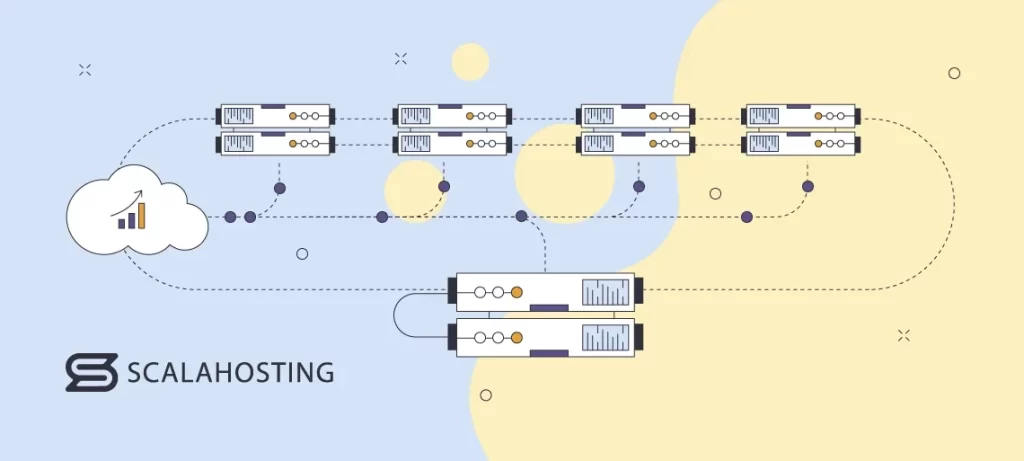
As your website grows, you can easily upgrade your VPS hosting plan to accommodate more traffic and resources. This scalability allows you to focus on growing your website without worrying about server limitations.
3. Security
Because VPS hosting isolates your server from other users, it is more secure than shared hosting. You have full control over your server’s security settings, reducing the risk of malware and other security threats.
4. Customization
With VPS hosting, you have full root access to your server, allowing you to install custom software and configure your server to meet your specific needs. This level of customization is not possible with shared hosting.
How to Scale Your Website Using VPS Hosting
Now that you understand the benefits of VPS hosting, here are some tips on how to scale your website using this hosting solution:
1. Choose the Right VPS Hosting Provider
When selecting a VPS hosting provider, look for a company that offers reliable infrastructure, 24/7 support, and flexible scalability options. Compare different providers to find the best fit for your website’s needs.
2. Optimize Your Website for Performance
Before migrating to VPS hosting, optimize your website for performance by enabling caching, compressing images, and minifying code. This will help your website load faster and handle more traffic on your new VPS server.
3. Monitor Your Website’s Performance
Once your website is on VPS hosting, regularly monitor its performance using tools like Google Analytics and Pingdom. Watch for any performance bottlenecks or spikes in traffic that may require scaling up your server resources.
4. Scale Your Server Resources as Needed
If you notice that your website is experiencing slow loading times or crashing due to high traffic, consider upgrading your VPS hosting plan to accommodate more resources. Most VPS hosting providers offer easy scalability options to meet your website’s growing needs.
Conclusion
Scaling your website using VPS hosting is a smart choice for businesses looking to improve performance, security, and scalability. By choosing the right VPS hosting provider, optimizing your website for performance, monitoring its performance, and scaling your server resources as needed, you can ensure that your website is prepared for growth and success in the digital landscape.